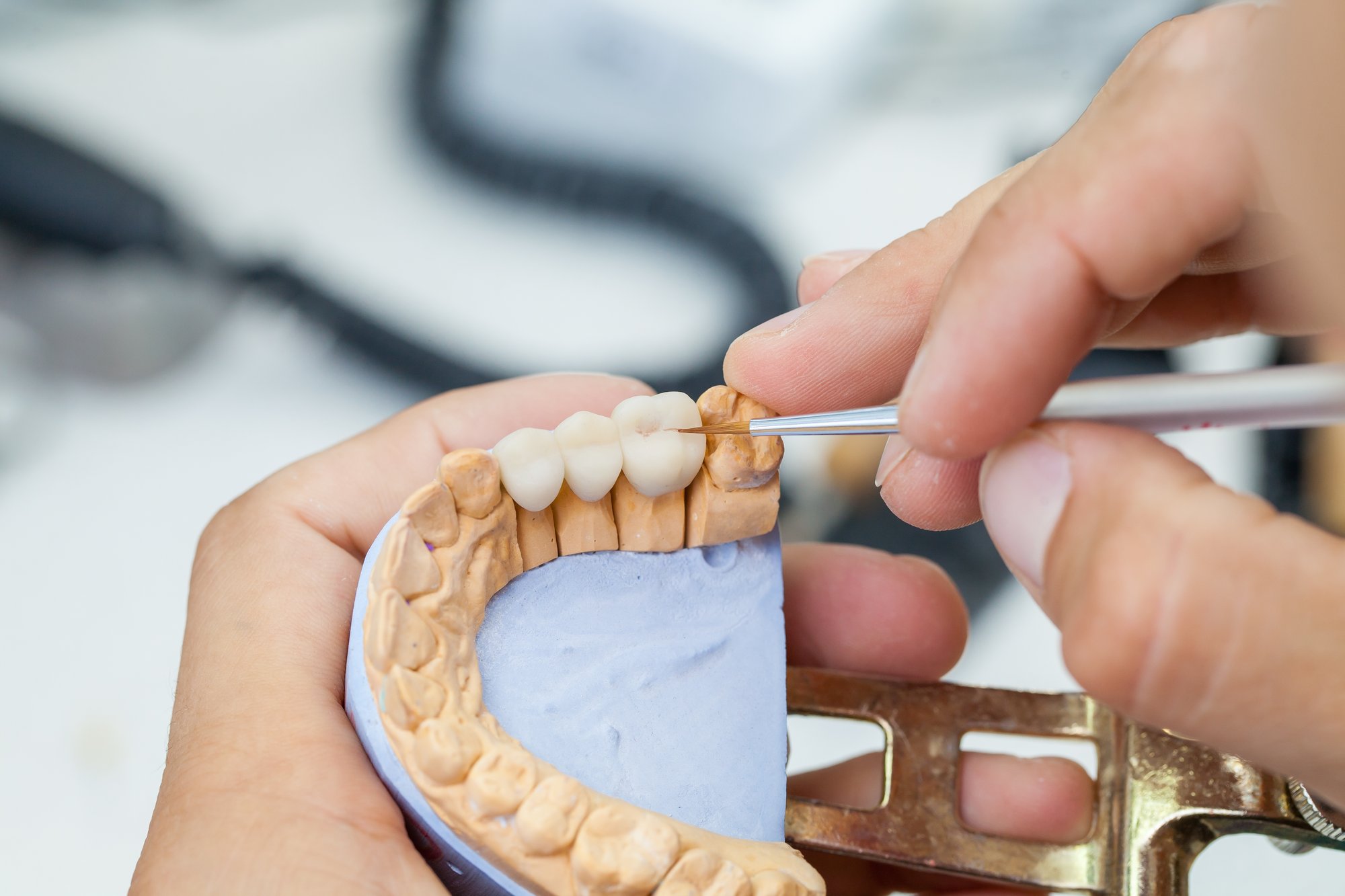
Missing a tooth and torn between a bridge and an implant? Both are solid ways to fill the gap. The bridge vs. periodontal implant choice often depends on your budget, your health, and the bone and gums around the space. A dental bridge fills a gap by anchoring a false tooth to the teeth on either side. Knowing how a dental bridge and an implant differ helps you pick what fits your smile and your life. Both are proven options, so the goal is matching one to your situation, and neither choice is wrong; they simply suit different needs. Knowing the pros of each takes the pressure off the decision.
Key Takeaways
- A bridge and an implant can both replace one missing tooth well.
- A bridge is faster and lower-cost, using the neighboring teeth for support.
- An implant replaces the tooth root and stands on its own.
- Healthy gums and enough bone matter most for an implant.
- Your health, budget, and bone help decide the best fit.
What’s the Difference Between a Bridge and an Implant?
They fill the same gap in different ways. According to the Cleveland Clinic, an implant replaces the tooth root with a post in the jaw, while a bridge uses crowns on the neighboring teeth to hold a false tooth in place. A periodontal implant is simply a dental implant, often placed by a gum specialist called a periodontist.
So the big question in a dental bridge vs. implant choice is whether to lean on nearby teeth or place a new root. Both give you a natural-looking tooth. The main difference is what supports the new tooth, since a bridge borrows strength from its neighbors while an implant creates its own anchor in the bone. A dentist can show you both options on a scan.
When Is a Bridge the Better Choice?
A bridge has real advantages, especially later in life. A dental bridge for missing teeth avoids surgery, costs less up front, and can be finished in about two weeks. If the teeth next to the gap already have crowns or large fillings, a bridge puts them to work. It is also a good option when the jawbone is not strong enough for an implant, which is more common with age. For a faster, lower-fuss fix, a bridge is hard to beat. Recovery is simple, since there is no surgery to heal from, and a bridge can also replace more than one missing tooth in a row. For someone who wants to be done quickly, a bridge is appealing.
When Is an Implant the Better Choice?
An implant shines for the long term. Because it replaces the root, an implant protects the jawbone and does not touch the neighboring teeth. That matters if the nearby teeth are healthy and you want to keep them untouched. Implants also last a long time and are cleaned like natural teeth. The trade-offs are surgery, a higher upfront cost, and a few months of healing. For many people, that wait is worth a tooth that can last a lifetime, and because it stands alone, an implant keeps the neighboring teeth whole. It is a bigger commitment up front but a smaller worry down the road.
What Should Older Adults Consider?
Age itself is rarely the deciding factor. What matters more is your bone, your gums, and your overall health. Conditions like diabetes or medications that affect healing can influence the choice, so share your full health history. If surgery is a concern, a bridge may be the gentler path. If you are healthy and want the longest-lasting result, an implant may be worth it. Comfort during treatment is a fair thing to weigh, and both options can be done gently. There is no rush; take the time to decide what feels right.
Which One Lasts Longer?
Durability often favors the implant. A well-cared-for implant can last decades, sometimes a lifetime, while a bridge usually lasts about ten to fifteen years. A bridge is quicker and gentler on the budget, but it may need replacing sooner. Good daily care and regular checkups help either one last. Over many years, the costs can end up closer than they first seem. A bridge may be redone once or twice over the years, while an implant often stays put, and daily brushing and flossing protect either one. Regular checkups help a dentist catch any wear early.
Choosing the Right Fix for Your Gap
In the bridge vs. periodontal implant decision, there is no single winner, just the right fit for you. A dental bridge is faster, gentler, and lighter on the budget, while an implant lasts longer and protects the bone. Your health, your bone, and the teeth around the gap all help point the way. Imaging shows how much bone is available, and that often settles the question on its own. With the right choice, that gap stays comfortably filled for years.
If you want to learn more about the bridge vs. an implant choice, visit our Dental Bridges in Littleton, CO page or schedule a consultation.