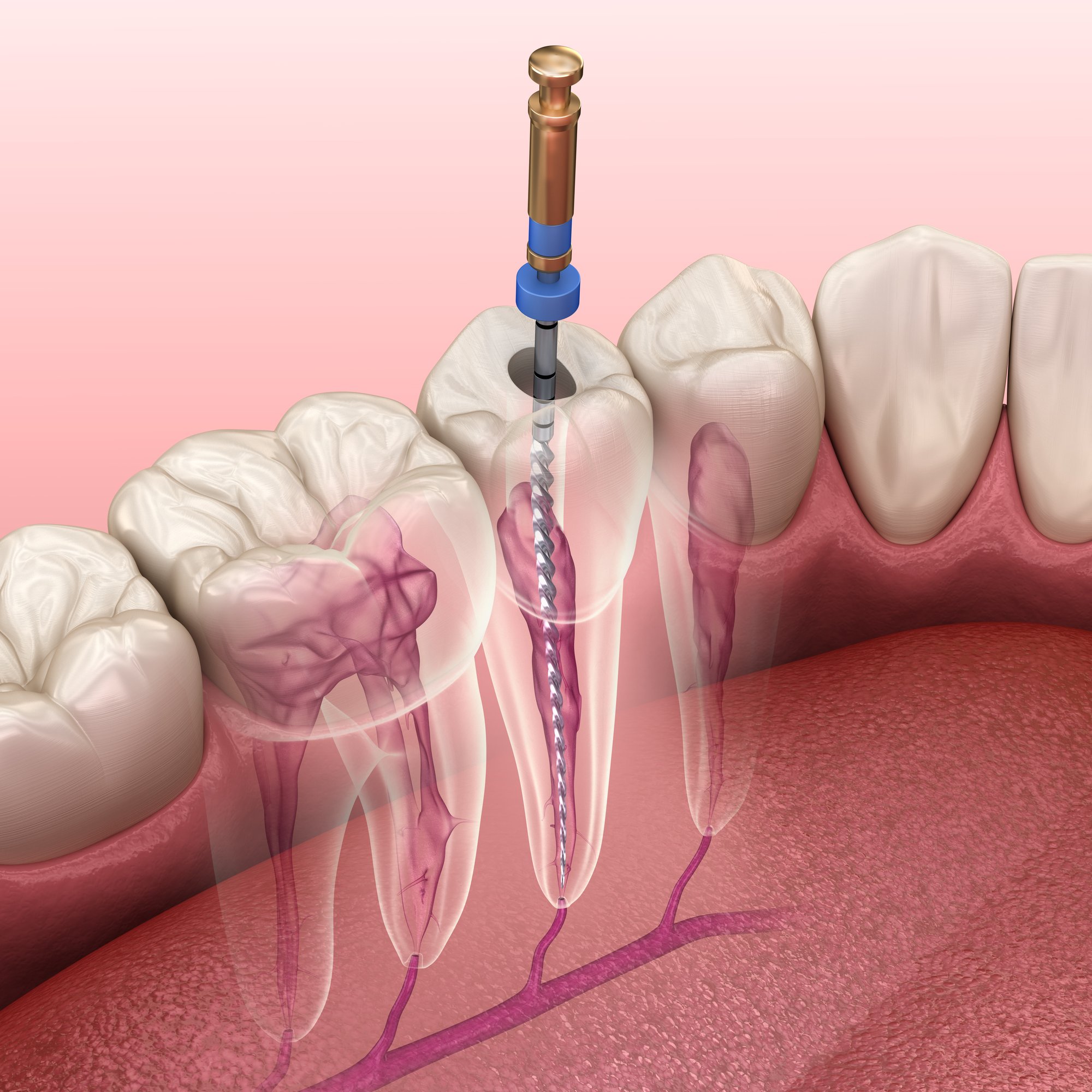
Facing a painful tooth and torn between saving it or removing it? In most situations, a root canal is a better choice than pulling a tooth. A root canal clears infected tissue from within a tooth, then disinfects and closes the inside. A root canal ends the pain while keeping your natural tooth in place. It is a decision worth weighing carefully before your next weekend at Chatfield State Park.
Key Takeaways
- A root canal removes infected pulp and saves your natural tooth. Pulling a tooth removes it completely.
- Keeping your natural tooth protects your bite and jawbone. An empty gap can cause nearby teeth to shift.
- A root canal is usually less disruptive than an extraction plus a replacement. It also tends to cost less over time.
- Today’s root canals feel about like getting a filling. Most discomfort traces back to the infection, not the procedure itself.
- Extraction makes sense only when a tooth is beyond saving. Our dental team helps you weigh the options.
Is a Root Canal Better Than Pulling a Tooth?
For most teeth that can be saved, yes. The Cleveland Clinic explains that a root canal takes out the infected pulp, then disinfects and closes the tooth so it can stay in place. Pulling the tooth ends the infection too, but it leaves a gap that needs to be filled later. Keeping your own tooth usually serves you better in the long run.
A natural tooth handles biting and chewing better than any replacement. It also stops the teeth on either side from sliding out of line. Most dentists favor saving a tooth whenever possible. A saved tooth keeps your bite even and your jaw strong. Those benefits add up over the years.
What Happens If You Pull the Tooth Instead?
Extraction solves the immediate problem, but it starts a new one. The empty space can let nearby teeth tilt or shift over time. The jawbone beneath the gap can also begin to shrink. To restore the space, you may need an implant, bridge, or denture.
Each of those replacements adds cost, time, and extra visits. None of them ever feels quite like a natural tooth, either. Removal is usually a last resort, not a first step. Once a tooth is gone, the choices only get more involved. Saving it now often means fewer visits and less expense down the line.
Does a Root Canal Hurt More Than an Extraction?
This is a common worry, and the answer surprises many patients. Local anesthesia keeps the visit roughly on par with a standard filling. The dread most patients feel usually stems from the infection itself, not the fix. An extraction removes the whole tooth and can mean a longer recovery.
Soreness after a root canal is usually mild and short-lived. Over-the-counter pain relief is often all you need. The relief from the original infection tends to be immediate. Many patients feel better the same day. The worst part is usually over before the appointment even begins, which pleasantly surprises most patients.
When Is Pulling a Tooth the Better Choice?
Sometimes a tooth simply cannot be saved. A deep crack below the gumline, severe decay, or major bone loss can leave too little to work with. When that happens, taking the tooth out is the surest way to end the pain and clear the infection. The key is having the tooth evaluated before deciding.
If extraction is the right call, planning the replacement early protects your bite. Our dental team lays out each choice with you before any decision is made. The aim is always the healthiest, most comfortable path forward. Our dentist answers your questions and explains the trade-offs in plain terms. You stay in control of the final decision.
Frequently Asked Questions
Is a root canal safe?
Yes. Root canals are a common, well-established procedure performed millions of times a year. They relieve pain and save the natural tooth.
How long will the tooth last afterward?
A root canal-treated tooth can serve you for decades. Daily brushing, flossing, and checkups keep it strong.
Why not just pull the tooth?
Removal leaves a gap that can shift your bite and shrink the jawbone. Saving the tooth avoids that and usually costs less over time.
Save Your Tooth When You Can
Set a root canal beside an extraction, and the natural tooth usually comes out ahead. Clearing the infection while keeping your own tooth protects your bite and sidesteps the expense of a replacement down the road. A root canal is built to keep that tooth working for years to come. If a tooth truly cannot be saved, our dentist will tell you honestly.
If you want to learn more about choosing a root canal over pulling a tooth, visit our Root Canal in Littleton, CO page or schedule a consultation.