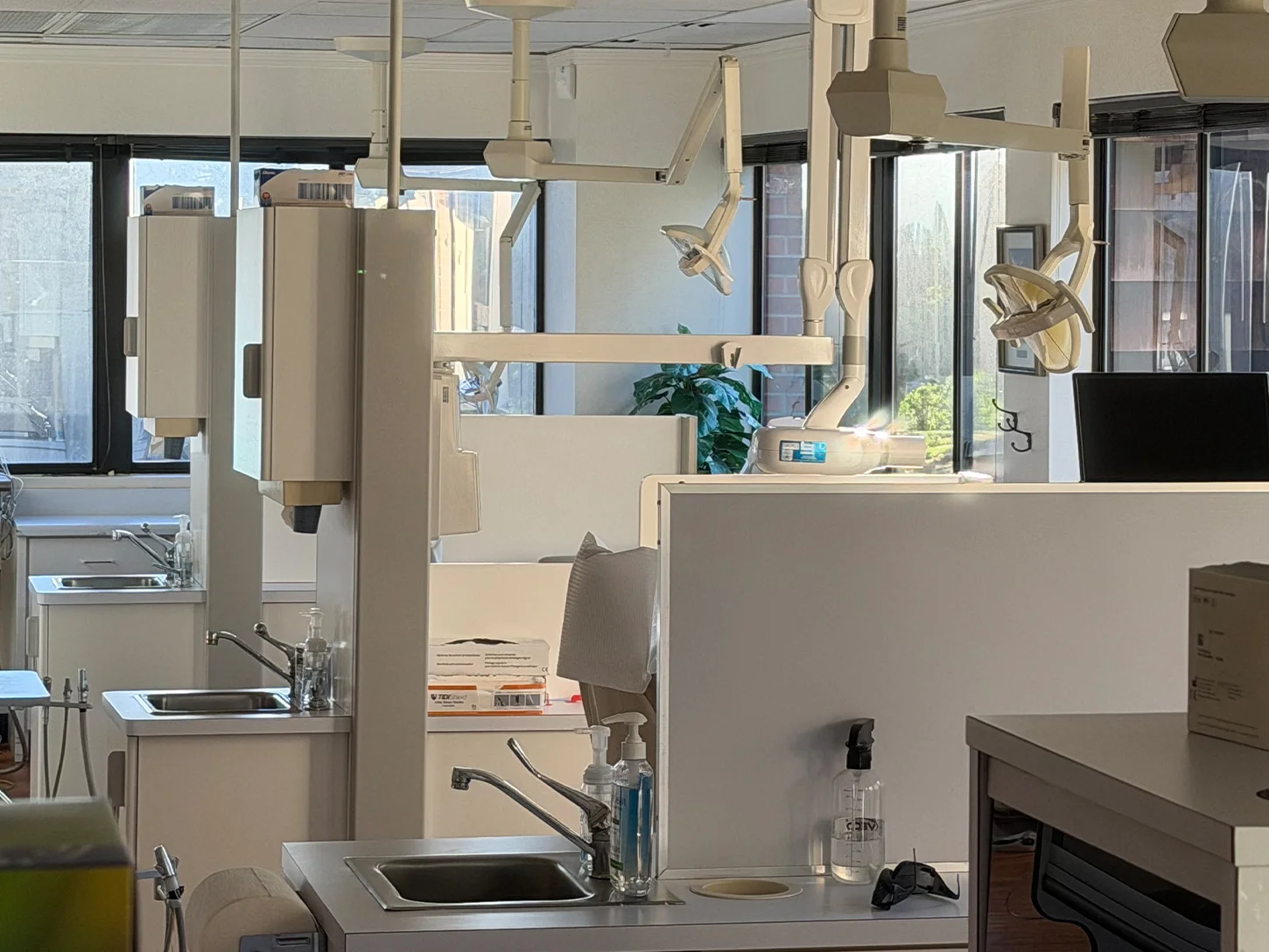

Facing a procedure and not sure what to ask? A few smart questions before oral surgery can turn nerves into confidence. Oral surgery is any procedure that treats the teeth, gums, or jaw, and a tooth extraction is one of the most common. Knowing what to expect from a tooth extraction makes the whole experience smoother. You will feel readier to relax and recover, maybe with a quiet afternoon near Hudson Gardens.
Key Takeaways
- Understanding your procedure ahead of time eases anxiety. A few good questions make all the difference.
- Ask why the surgery is needed and what the alternatives are. You deserve to know your options.
- Anesthesia and sedation choices affect your comfort. Ask what will be used and why.
- Recovery time and aftercare shape your plans. Know what to expect before the day arrives.
- Ask about risks and tooth-replacement options. Being informed leads to better decisions.
Why Asking Questions Matters
A little preparation goes a long way before any dental procedure. The Cleveland Clinic explains that a tooth extraction removes the entire tooth from its socket, and that providers try to save natural teeth whenever possible. Understanding the why and how of your treatment helps you feel in control. The five questions below are a great place to start the conversation. Feeling informed is one of the best ways to calm pre-surgery nerves. A trusted provider will welcome every one of your questions.
1. Why Do I Need This Procedure?
Start by understanding the reason behind the recommendation. Severe decay, advanced gum disease, or trauma can all make an extraction necessary. Ask if a filling, crown, or other treatment could save the tooth instead. A second opinion is always reasonable for a major procedure. A good provider will explain the options clearly and honestly. Knowing the why makes the decision feel like yours. Ask how the tooth reached this point and what happens if you wait. Clear answers help you weigh the decision with confidence. Every question you ask helps your provider tailor your care.
2. What Type of Anesthesia Will I Have?
Comfort during the procedure is a fair thing to ask about. Depending on the case, you may have local anesthesia, sedation, or general anesthesia. Ask which option fits your procedure and your comfort level. If you choose sedation, find out if you will need a ride home afterward. Understanding this ahead of time removes a lot of the worry. You can also share any past reactions to anesthesia. Your comfort and safety guide the right choice. Ask how long the numbness is likely to last afterward.
3. What Does Recovery Look Like?
Knowing the recovery timeline helps you plan ahead. Ask how long soreness and swelling usually last and when you can return to work. Find out what foods to eat and which activities to avoid at first. Clear aftercare instructions make healing smoother and faster. Ask when you can safely brush near the area again. A little planning keeps your recovery on track. Ask how to manage swelling with ice and rest in the first day. Knowing the small details makes the first days far easier. Stock up on soft foods before your appointment so you are ready.
4. What Are the Risks or Complications?
Every procedure carries some risk, and it is smart to ask about it. Dry socket, infection, and prolonged bleeding are possibilities worth understanding. Ask what warning signs to watch for and when to call the office. Knowing how to prevent and spot problems gives you peace of mind. Most complications are easy to avoid with good aftercare. Ask specifically how to protect the healing site during the first days. Simple steps like avoiding straws can prevent dry socket.
5. What Are My Tooth-Replacement Options?
If a tooth is being removed, ask what comes next. Implants, bridges, and dentures are common ways to fill the gap. Replacing a missing tooth protects your bite and keeps nearby teeth in place. Ask which option suits your needs, timeline, and budget, and which best protects your remaining teeth. Planning the replacement early keeps the whole process smooth. A complete smile also makes eating and speaking easier. Ask about the timeline, since some replacements begin only after the site heals. Planning ahead keeps your smile complete and your bite balanced.
Walk In Prepared and Confident
The right questions turn oral surgery from stressful to straightforward. Understanding the reason, the anesthesia, the recovery, the risks, and your replacement options puts you in charge. When a tooth extraction is the best path, a prepared patient recovers with confidence. Never hesitate to ask your dental team anything on your mind, because your peace of mind is worth every question. A quick consultation is the perfect time to cover every question. Walking in prepared makes the whole day easier, because a prepared patient is a confident one.
If you want to learn more about preparing for oral surgery, visit our Tooth Extraction in Littleton, CO page or schedule a consultation.