
Tempted to ignore that small cavity and hope it fades? What actually happens when a cavity is left untreated may change your mind. A cavity is tooth decay that breaks through the enamel and forms a hole in the tooth. Treated early with a tooth-colored filling, the fix is simple and nearly invisible. Left alone, that small spot can grow into a real problem, long after your treat from downtown Littleton’s Main Street is forgotten.
Key Takeaways
- A cavity never heals on its own. Without treatment, the decay only spreads.
- Early cavities are easy to fix with a filling. Waiting makes treatment more complex.
- Untreated decay can reach the nerve. That often means pain and a possible root canal.
- Deep decay can lead to infection or an abscess. In rare cases, that becomes serious.
- A tooth-colored filling stops decay early. It restores the tooth and blends right in.
What Happens if a Cavity Is Left Untreated?
Ignoring a cavity does not make it go away; it lets the decay dig deeper. According to the Mayo Clinic, an untreated cavity can lead to a tooth abscess, an infection that can spread to the jaw, neck, and beyond. What starts as a tiny hole can end in serious pain or tooth loss. Early treatment keeps a small problem from becoming a big one. The earlier you act, the more of your natural tooth you keep.
How Does a Cavity Get Worse Over Time?
Decay moves through the tooth in stages. It begins in the enamel, then reaches the softer dentin, where it spreads faster. From there it can invade the pulp, the living center of the tooth. By the time it aches, the decay is usually well advanced. Each stage is harder and more costly to treat than the last. Early on, decay may cause no symptoms at all. That is exactly why routine checkups catch it before it hurts.
What Are the Warning Signs?
Cavities often start quietly, but they rarely stay silent. Watching for these signs helps you act before the decay spreads.
- Tooth Sensitivity. Twinges with hot, cold, or sweets. An early clue of decay.
- Toothache. Ongoing or sharp pain. A sign the cavity is growing.
- Visible Spots. White, brown, or black marks. Decay showing on the surface.
- Bad Breath. Persistent odor or taste. Bacteria may be at work.
- Pain When Biting. Discomfort under pressure. The decay may be deep.
Can an Untreated Cavity Lead to Infection?
Yes, and that is one of the biggest risks of waiting. When decay reaches the pulp, bacteria can cause an infection called an abscess. An abscess is painful and, if ignored, can spread beyond the tooth. Prompt care prevents a manageable cavity from turning into an emergency. An abscess can also make chewing and sleeping miserable. See a dentist at the first sign of trouble.
Why Treat a Cavity Early?
Treating a cavity early keeps care simple and affordable. A small cavity is usually fixed with a quick tooth-colored filling. Waiting can turn that filling into a crown, a root canal, or an extraction. Early action saves your tooth, your comfort, and your money. A filling today is far gentler than a root canal tomorrow.
What Is a Tooth-Colored Filling?
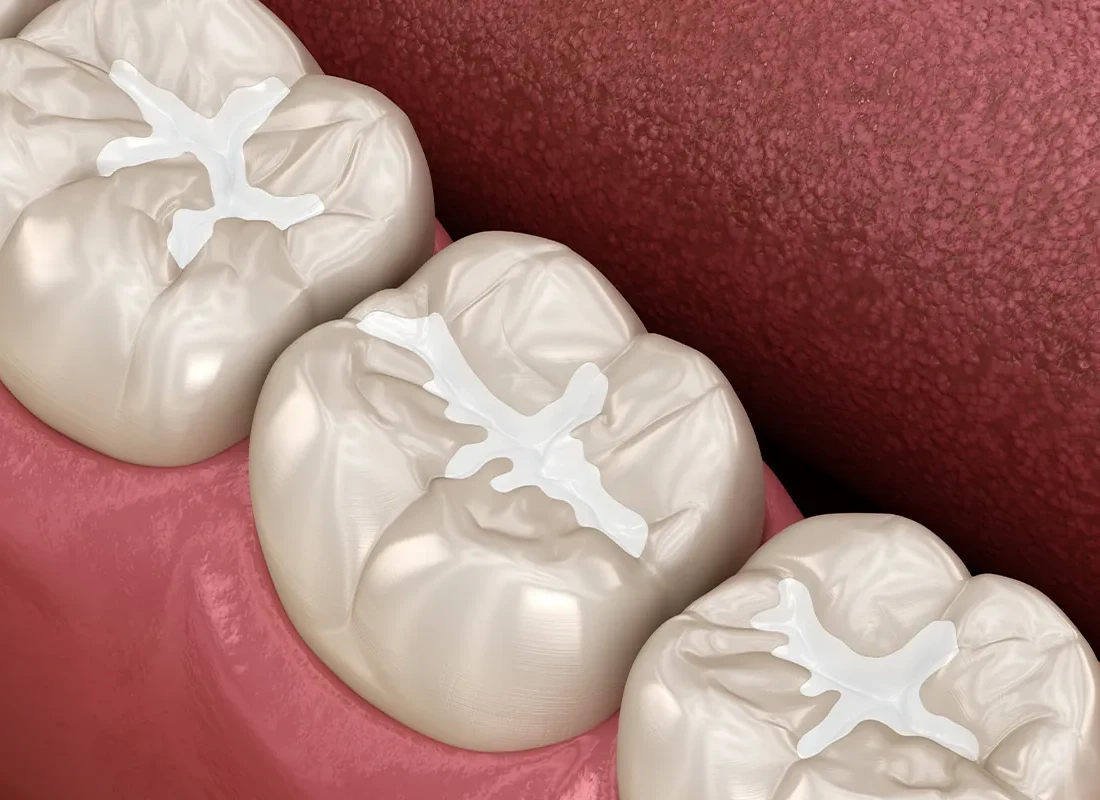
A tooth-colored filling repairs a cavity with a natural-looking material. Made of composite resin, it is matched to the shade of your tooth. The decay is removed, and the filling seals and restores the tooth in one visit. The result is strong, discreet, and blends right in with your smile. Because it bonds directly to the tooth, it also helps reinforce the remaining structure. Most fillings are completed comfortably in a single short visit.
Frequently Asked Questions
Can a small cavity heal by itself?
No, a cavity cannot heal by itself once it forms. The decay will keep spreading until it is treated. The sooner you see a dentist, the simpler the fix.
How long can I wait before treating a cavity?
It is best not to wait, since decay only worsens with time. A small cavity can grow into a painful problem within months. Prompt treatment keeps it from reaching the nerve.
Does treating a cavity early hurt?
Filling an early cavity is usually quick and comfortable. The area is numbed, so you feel little more than gentle pressure. Treating it early is far easier than waiting for pain to set in.
Don’t Wait on a Cavity
So what happens if a cavity is left untreated? It grows, deepens, and can lead to pain, infection, and tooth loss. A simple tooth-colored filling now spares you far bigger trouble later. Acting early is the simplest way to protect your tooth. When you catch decay early, the fix is quick, gentle, and lasting. Your smile stays healthier when small problems are handled right away.
If you want to learn more about what happens when a cavity is left untreated, visit our Tooth-Colored Fillings in Littleton, CO page or schedule a consultation.